Choosing the right system to teach kids money skills, responsibility, and daily routines can be challenging. The following selections center on structured reward charts, mindfulness prompts, and conversation starters that support healthy money habits, task completion, and positive behavior. Each option offers practical features designed for families seeking a reliable, kid-friendly approach to allowances and chores.
| Product | Brand | Key Feature |
|---|---|---|
| Chore/Reward Chart for Kids | Dolphin N Otter | Large 30”x20” chart with medication-friendly rewards system |
| Empowering Cards for Kids | Allura & Arcia | 50 mindfulness and self-esteem cards in a kid-friendly box |
| BayWel Mindfulness Conversation Cards | BayWel | 100 prompts plus affirmations for meaningful chats |
| QUOKKA Reward Chore Chart Cards | QUOKKA | Magnetic, visual routine cards for routines and chores |
| My Behaviour Cards | Amonev | Visual aids to support language and behavior development |
These selections aim to balance practical chore management with emotional and social learning. Each product emphasizes clear visuals, positive reinforcement, and easy integration into home routines. Below are five detailed product sections with direct links to Amazon, followed by a Buying Guide to help you compare options.
Chore/Reward Chart for Kids

The large 30”x20” daily chore chart is designed to motivate children with a visible system of responsibilities and rewards. It includes 16 large pockets and 50 printed chore cards, plus blank ones and 4 printed reward cards, all compatible with dry-erase markers. Wall mounting hardware is included. The design emphasizes a see-through rewards system to keep kids focused on completing tasks to earn rewards, making it suitable for families who want a tangible progress tracker.
Empowering Cards for Kids
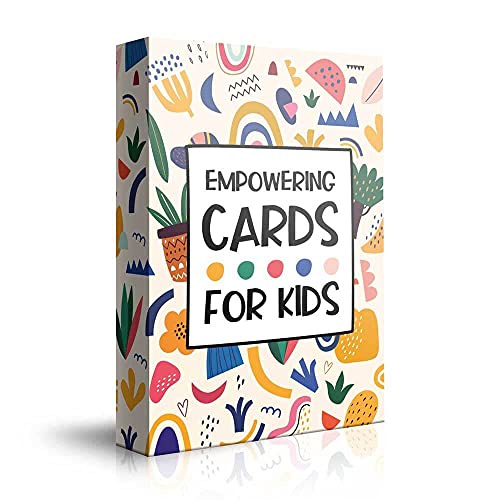
These 50 cards cover five fundamental categories: Self Esteem, Self Compassion, Relaxation, Encouragement, and Mindfulness. Developed by professionals with mindfulness and psychology experience, the set offers daily activities and exercises designed to empower children. Included are a kid-friendly box and guidance for use, helping families incorporate regular reflection, coping strategies, and positive affirmations into daily routines.
BayWel Mindfulness Conversation Cards
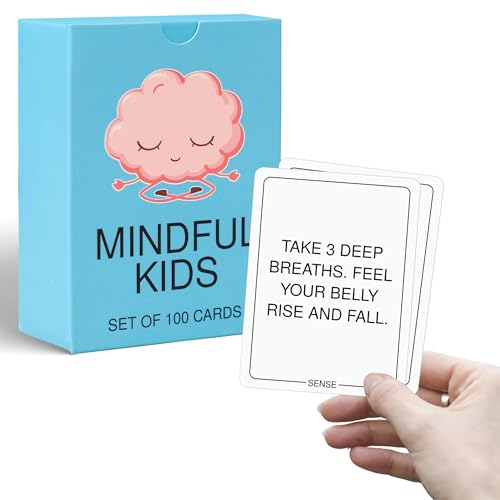
These 100 conversation prompts plus 1 instruction card are designed to spark meaningful discussions about feelings, gratitude, imagination, and focus. The cards support emotional well-being and self-awareness, making them a versatile tool for family meals, car rides, or therapy-style sessions. Aimed at kids and families, they encourage open dialogue and can complement chore and allowance systems by reinforcing communication skills.
QUOKKA Reward Chore Chart Cards

QUOKKA provides magnetic chore chart cards that cover daily chores, health care, hobbies, and events, with 80 thematic cards and additional personalized and functional cards. The system enables parents to create customizable routines and schedules, helping children manage tasks through a visual, interactive approach. The cards are designed for durability and clarity to assist with routine consistency and independence over time.
My Behaviour Cards
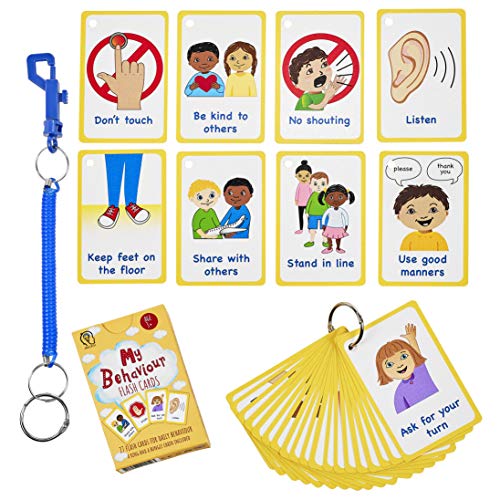
These 27 flash cards target language and communication development for special needs and nonverbal children. They offer simple, illustrated cues to support speech, reduce anxiety, and build confidence. The cards are a practical resource for parents, teachers, or therapists seeking visual aids to facilitate understanding, recognition, and responsive interaction in a child-friendly format.
Buying Guide
Price is not the sole factor; consider how each option aligns with your child’s age, interests, and your family routine. When evaluating choosing a product, weigh usability, durability, and the type of feedback it provides. Visual schedules work well for younger children, while older kids may respond better to a mix of mindfulness prompts and meaningful conversation cards.
- Age and developmental fit: Choose materials designed for your child’s cognitive level and communication ability. For younger children, larger visuals and simple rewards can be most effective.
- Structure vs. flexibility: Some systems are highly structured (fixed cards and rewards), while others allow customization. Balance predictability with room for personal goals.
- Reward design: Ensure rewards are attainable and meaningful. A clear path from task completion to reward sustains motivation without guilt or frustration.
- Visual clarity: High-contrast colors, large fonts, and intuitive icons help kids stay engaged and understand expectations quickly.
- Mindfulness and social-emotional learning: Cards that include feelings, coping strategies, and affirmations can complement money and chores by promoting emotional regulation.
- Durability and maintenance: Look for magnetic or laminated cards and dry-erase compatibility for long-term use in busy homes.
- Family integration: Consider how the system fits with other routines, such as mealtime conversations, bedtime rituals, or school tasks.
Perspective considerations
For families prioritizing independence, a visual chore chart paired with an allowance system can reinforce responsibility and money management. If a child benefits from reflective dialogue, mindfulness cards and conversation prompts may improve communication and trust. For children who respond to social goals, behavior-focused cards can reinforce positive actions and provide immediate feedback. In practice, combining several tools—such as a chore chart with mindfulness prompts—can create a holistic framework that addresses both task completion and emotional growth.